Meet Amaya
Contemporary painter and astrologer for physical art-makers
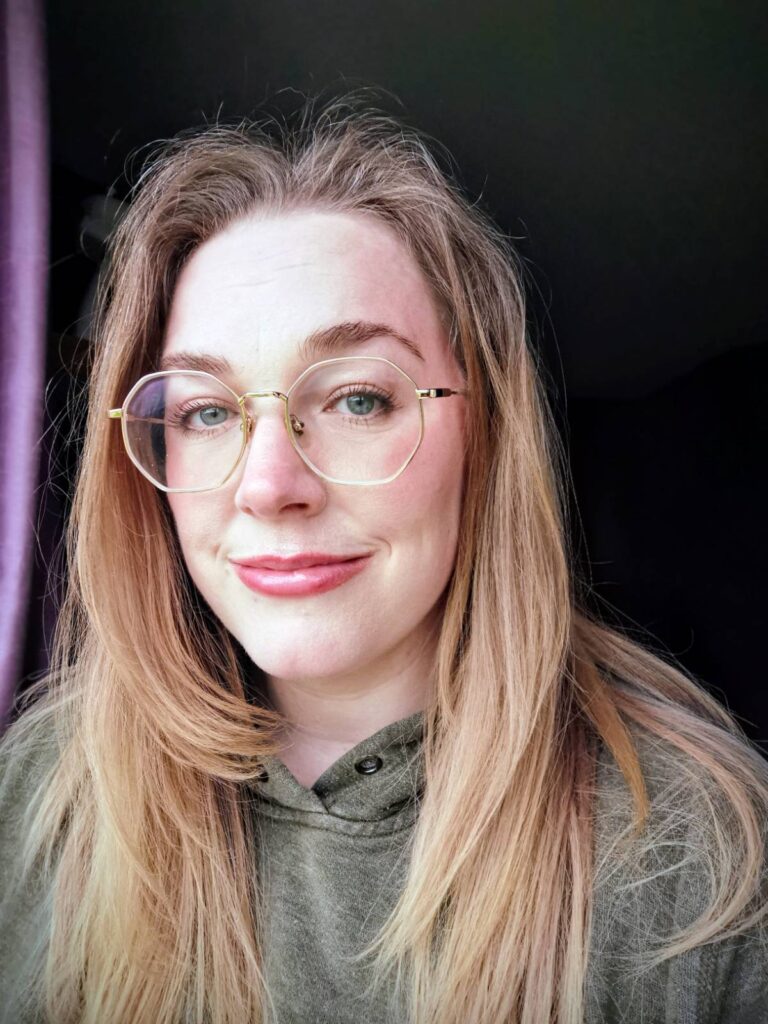
I’m Amaya, a contemporary painter and traditional astrologer living on the Dingle Peninsula, at the wind-blown western edge of Ireland.
My work begins in the studio: with storm light, sea weather, chronic illness, material limitation, and the daily practice of making something by hand.
I paint expressive skyscapes and seascapes shaped by the Atlantic weather outside my skylight studio. Alongside that painting practice, I use traditional astrology as a practical tool for helping physical art-makers understand the way they create: their rhythms, frictions, material instincts, sensory needs, and ways back into the work.
My paintings are one exploration of the creative-making life. My astrology is another.
How do we make from the whole heart, with the body, life, materials, and limits we have actually been given?
In conversation with paint
I first fell in love with painting at age twelve, when I inherited my grandmother’s oil paints and taught myself from Bob Ross on a tiny black-and-white television. I was trying, even then, to make sense of land, weather, animals, and the living world through my hands.
Then life intervened.
There were years of bills, survival, burnout, and trying to become “serious” in ways that did not actually belong to me. After years of zero creative expression, I bought my first paints again in 2018, and that began the long, awkward, necessary return.
That return was not clean or romantic. For a long time, I tried to paint like other people. I tried to borrow their processes, their disciplines, their rhythms, and their ideas of what an artist does. I thought if I could just find the right method, routine, or lineage, I would stumble into a sustainable creative practice.
Instead, I kept freezing.
My hands were willing, my materials were waiting, and my heart craved the dance of creation. But the inner workshop was crowded. One part reached toward beauty, another toward exactitude. One part rushed ahead with heat and appetite, while another hesitated, revising, and doubting. They often fought or refused to talk with one another, leaving the work undone. I needed to understand how all these disparate creative parts of me could learn to work together.
Chronic illness made that question even more urgent. It changed the terms of my life and my studio.
I wanted to paint in oils, but my body cannot tolerate oil paint, volatile compounds, or solvents. I wanted to be the kind of landscape painter who spends long hours outside at the edge of storm-thrashed cliffs, but my body cannot sustain that regularly. These days, I am often bed-tethered. I work close to where I can rest, regulate my nervous system, and weather through environmental changes.
So I had to build a practice from the unusual and particularly idiosyncratic life I actually live.
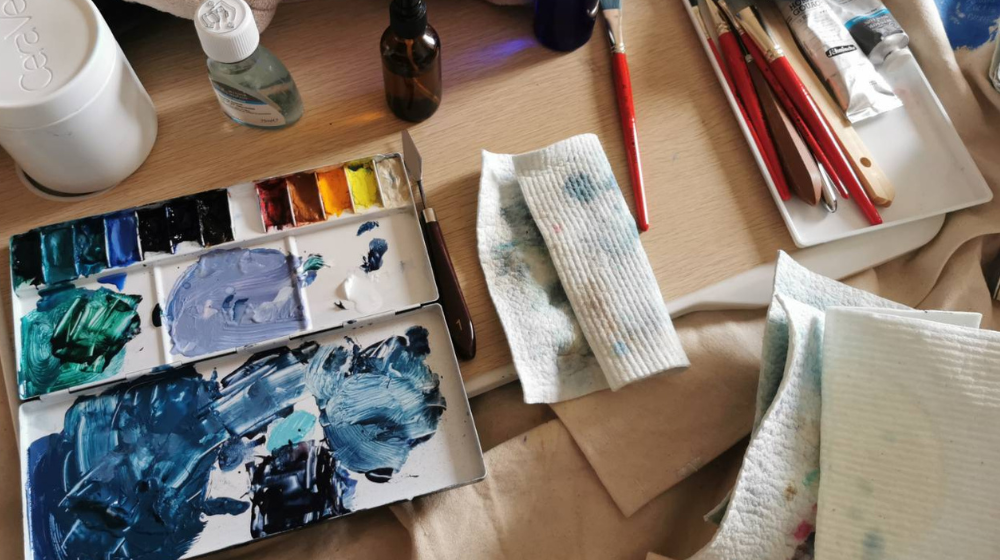
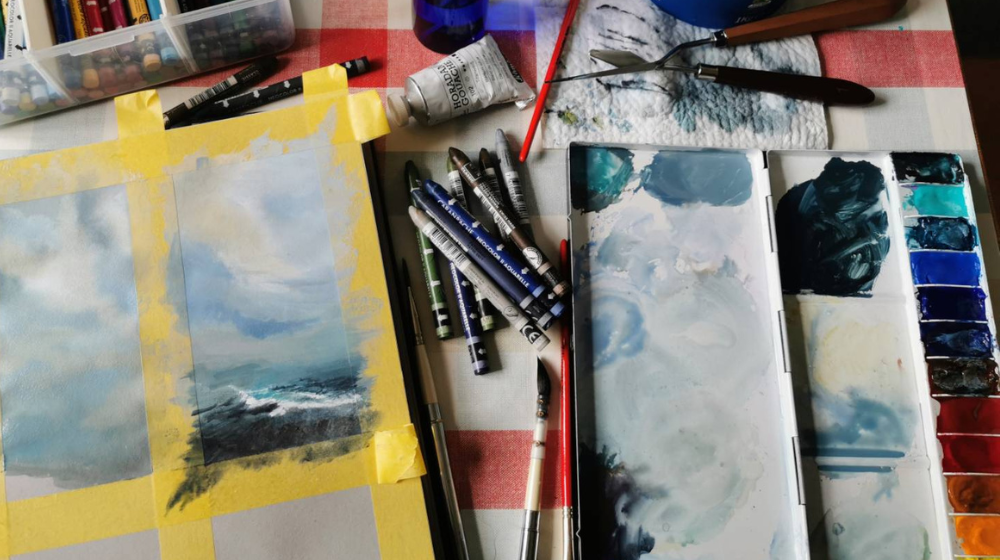
I use watercolor and gouache in ways they were never really meant to be used. I thicken them and push the medium toward the texture, ephemerality, and body I once hoped to find in oils. Then I scrape them, wipe them in and out, and use clothes, palette knives, stiff brushes to conjure images of storms and water in motion. Pioneering my own methods brought me home to the strange, specific, somatic intelligence of my own hands and the truth of my whole heart.
My practices are heretical to standard categorization, “proper” use of materials, and even the way I study and shape my subject.
It is also the most alive my painting has ever been.
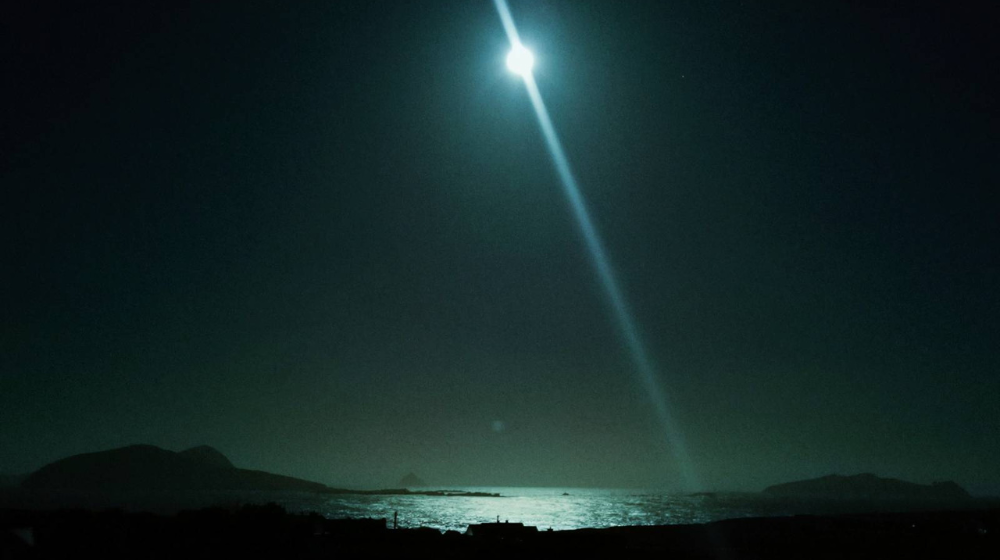
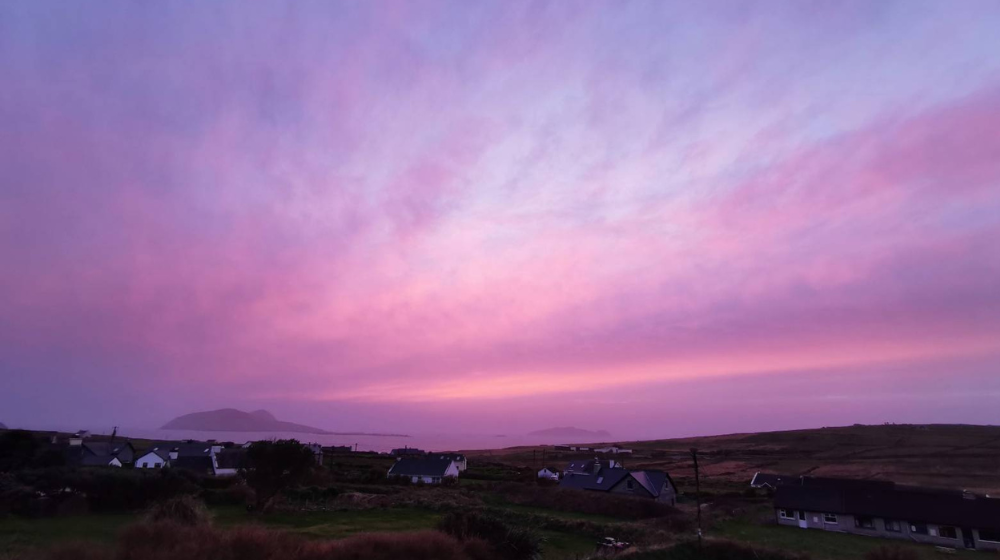
I paint atmospheric storms, nocturnes, waves, horizons, and weather I feel moving through my body and the world. My work is informed by the view through my skylight, the Atlantic weather of this place, and dream-images of landscapes that feel half-remembered, as if they may have belonged to another life.
The more I stopped trying to become a “proper” artist, the more my actual practice took solid form.
How astrology entered the studio
Between my work as a professional astrologer and the slow journey back to a sustainable painting process, I began to see how the chart could make the actual mechanics of physical making more legible. It clarifies the rhythms, appetites, contradictions, frictions, material needs, and workarounds that allow a maker to thrive.
Not “Am I a real artist?”
Not “Will I become famous?”
Not “What is my destined creative brand?”
But more useful questions:
- How do I actually make?
- What conditions help me return to and sustain the work?
- Where do I freeze, overcorrect, rush, avoid, perfect, or abandon?
- What does my body need in order to create?
- What kind of creative practice is native to me, rather than borrowed from someone else?
I began studying the charts of painters and other physical makers, including my own, through the lens of traditional astrology. I was especially interested in the planets associated with embodied action, craft, taste, rhythm, skill, and material engagement: the parts of the chart that speak to how a person acts upon matter.
What I found was not a single signature for “artist.” There is no one chart pattern that proves someone is a “real” maker, and I am suspicious of any framework that tries to separate “real artists” from everyone else.
What I found instead was far more merciful: the chart can describe the distinct conditions under which a person’s creative life becomes more workable.
Over time, those years of astrological study and studio trial became a pragmatic framework, rooted in the reality of daily living. It helps creative people understand the process native to them, so they can stop fighting themselves and return to the work with more honesty, agency, and aliveness.
To say it more plainly: I use astrology to help physical art-makers understand the actual practice and process by which they make things with their bodies here on Earth.
A natal chart can show where one part of us wants speed while another needs patience. Where one part wants sensuality while another demands precision. Where one part needs solitude and another needs witness. Where the hand, the eye, the nervous system, the appetite, the discipline, and the material all have to negotiate with one another.
For every maker is plural.
Every studio is already peopled. Art is not born because one part of us is pure. It comes because many parts of us — sensual, exacting, fierce, cyclical, frightened, brilliant, stubborn, devoted — somehow learn to play together.
That is the heart of my astrology work.
I use the chart as a living map of creative practice: not as a sentence, not as a performance of certainty, and not as a substitute for making, but as a tool for understanding the rhythms, frictions, needs, and workarounds that help a maker return to the work with more honesty and agency.
My approach to astrology
My astrology is traditional, practical, and grounded in the material realities of daily life.
I work primarily with traditional and Hellenistic astrology because this lineage is deeply concerned with embodiment: the hand, the tool, the craft, the conditions we are living under, and the way a human being acts within the life they have been given.
In the Hellenistic worldview, astrology was rooted in immanence: the understanding that spirit and daily living are not separate, and that what you do with your life is in direct relationship with the spirit moving through it. This tradition was built to help human beings live as spiritual beings in a material world—to work with what they are given, understand the conditions they are living under, and enact agency within them.
That is profoundly practical for makers, because the ancient astrologers were deeply interested in craft: the body at work, the hand, the tool, the rhythm, the friction, and the way a person acts upon matter. That thread runs from Hermes Trismegistus through Nechepso and Petosiris, and onward through Ptolemy, Vettius Valens, Firmicus Maternus, and Dorotheus of Sidon.
All of them circled questions that still matter in the studio: What are the essential components of craft? How do they shape the hand, the tool, the appetite, the method, the hesitation, and the act of making?
I am not interested in astrology as an aesthetic, a personality costume, or a way to bypass the difficulty of being human. I am interested in astrology as a tool of recognition and response.
For physical makers, that means looking at the chart in relation to questions like:
- What rhythms support your creative practice?
- How do you begin?
- How do you return after interruption?
- What kind of material engagement feels alive to you?
- Where does friction become useful, and where does it shut you down?
- What does your body need in order to keep making?
- Which parts of you need better roles, boundaries, or support in the inner workshop?
- What remedies or adjustments might make the practice more sustainable?
This is not about forcing you into a rigid formula for how an artist is supposed to work. There is no such thing.
It is about helping you understand the process native to you, so you can stop wasting your creative life trying to perform someone else’s seriousness.
Who this work is for
My work is about helping you get hands-on again with your life, through the practice of making physical art. I believe physical making is one of the most fundamental ways human beings remember how to be here on Earth. To paint, draw, carve, stitch, sculpt, build, shape, glaze, sand, or press matter into an image and shape is to enter a conversation with the Earth, time, limitation, desire, love, memory, value, grief, and attention.
Making, like astrology, helps us work our lives out.
It helps us discover what we believe, what we notice, what we love, what we cannot tolerate, and what kind of world we are willing to participate in. Without it, something in us becomes hollowed out by spectatorship and consumption. With it, we become active participants in our own lives again.
This work is not currently designed for writing, poetry, content creation, or purely verbal creative practice.
My focus is physical making: the kind of creativity that happens through hands, tools, matter, pressure, texture, repetition, gesture, and touch.
So this work is for painters, drawers, sculptors, fiber artists, ceramicists, and physical makers, or those who wish to start a physical making practice. It is for people who experience creativity as a bodily negotiation with materials, energy, taste, desire, love, fear, frustration, repetition, contradiction, and longing.
This work is especially for makers who already understand their creative life as spiritual, animist, mystical, or more-than-rational — but who still need practical tools that meet the body, the schedule, the material, and the actual workbench.
I am not here as a guru.
I am still in the practice myself: still covered in paint, still working around chronic illness, still researching the charts of makers, still testing the remedies in my own studio, and still learning how to trust the idiosyncrasies I once thought disqualified me.
That is why I care so much about this work.
Because creation happens when we meet the life, body, materials, limits, and weather we have actually been given — and then enact our agency upon them.
Notes on astrological training
I began studying traditional astrology in 2016 and have worked professionally as an astrologer since 2019.
I trained and mentored under Samuel Reynolds for two years, studied Hellenistic astrology through Chris Brennan’s course, and have been shaped by the work of Demetra George, Austin Coppock, Bernadette Brady, Diana Rose Harper, Pallas Augustine, and many others.
I have given more than 1,500 one-to-one astrology consultations. My work has also included consulting, teaching, one-to-one spiritual mentoring. My work has included podcast appearances and published contributions to projects including the Many Moons Planner and The Career Astrologer.
I now use astrology to help physical art-makers understand the actual practice by which they make things with their bodies here on Earth.
The invitation
My paintings are one expression of my devotion to the craft of making. My astrology is another. Both are concerned with the same living question:
How do we keep making from the whole heart — not in some ideal life, but in the life we actually have?
If that question matters to you too, you are welcome here.